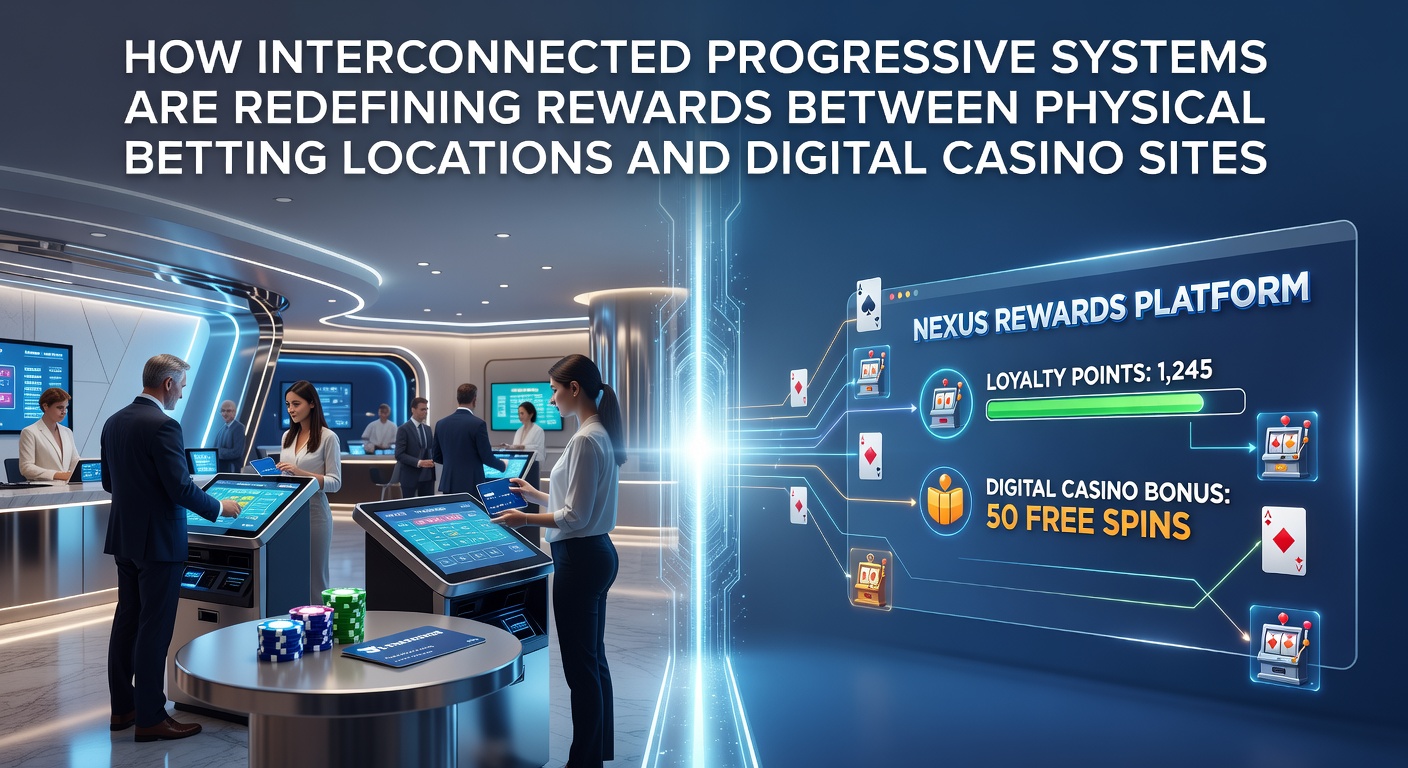
Unified Reward Networks Transforming Casino Experiences Across Physical and Digital Realms
Progressive jackpot systems have long operated in separate silos yet recent integrations now allow a single pool to accumulate contributions from both land-based terminals and remote digital sessions at the same time. Operators achieve this linkage through centralized servers that track every wager whether placed at a physical betting counter or via a mobile app while players accumulate points that convert across environments. Data from the American Gaming Association shows these hybrid networks processed over $12 billion in combined play during the first quarter of 2026 alone.
How Linked Progressives Operate in Practice
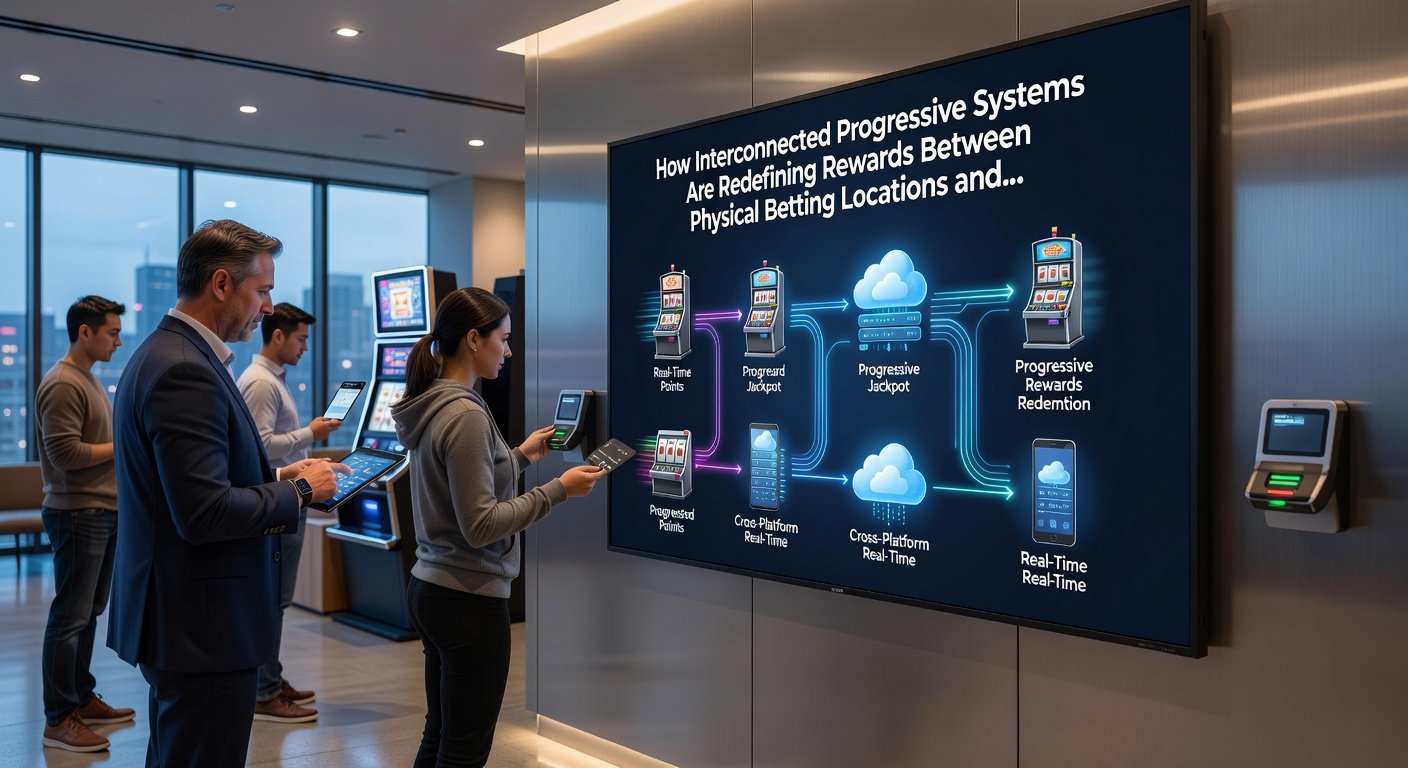
Technicians connect slot machines in a Las Vegas resort to the same backend as an online platform hosted in Malta through secure APIs that update jackpot meters every few seconds. When a gambler spins a linked machine at the casino floor the contribution feeds the shared pool and the same occurs for a remote player in another jurisdiction. Those who study these architectures note that latency remains under 200 milliseconds in most deployments because fiber-optic lines and edge computing nodes handle the traffic. Rewards then appear in a unified loyalty ledger so a patron who hits a bonus at a physical location can redeem credits on the digital site later the same day.
Player Benefits and Reward Flow
Patrons gain access to larger jackpot totals because the pool draws from thousands of additional machines and terminals rather than a single venue. A visitor who earns tier points during an afternoon at a betting shop can later use those same points to unlock free spins on the partnered website without completing a separate registration. Figures released by the Canadian Gaming Association indicate that cross-platform redemptions rose 47 percent year-over-year through April 2026. Players also receive personalized offers based on combined activity such as a hotel comp triggered by total handle across both channels.
Regulatory Developments Expected by May 2026
By May 2026 several North American and European regulators plan to finalize guidelines that require operators to maintain identical responsible-gambling controls on linked systems. The Nevada Gaming Control Board has already circulated draft rules mandating real-time reporting of jackpot contributions from every connected terminal. Observers note these measures aim to prevent money laundering while preserving the seamless experience that users now expect. Similar frameworks under review in New Jersey and teh Australian state of New South Wales would standardize audit trails for progressive contributions across borders.
Technical Infrastructure Behind the Integration
Developers rely on cloud-based gaming engines that synchronize state across physical and virtual environments without exposing sensitive player data. Encryption protocols meet PCI-DSS standards while tokenization keeps financial details separate from gameplay records. One study conducted at the University of Nevada Reno found that properly configured networks experience fewer than 0.01 percent of transactions delayed beyond regulatory thresholds. Maintenance windows occur during low-traffic hours so jackpot meters never reset unexpectedly and operators schedule failover servers in geographically distant data centers to ensure continuity.
Case Examples from Major Markets
Take a major operator that rolled out its linked progressive product in Atlantic City during late 2025; within six months the combined pool exceeded $8 million on several occasions and triggered multiple six-figure payouts to both on-site and remote winners. A separate European group achieved similar results after connecting 1,200 physical terminals with its online platform serving customers in three countries. Those who've examined the payout logs report that average jackpot frequency increased by roughly 30 percent compared with standalone systems yet the house edge remained unchanged because contribution percentages stayed constant.
Conclusion
Interconnected progressive systems continue to expand the scope of rewards available to participants at physical betting locations and digital casino sites alike. As regulatory clarity arrives in May 2026 and infrastructure matures the boundary between floor and screen grows thinner while maintaining the transparency required by oversight bodies. Operators that implement these networks gain operational efficiencies and players receive access to larger prizes and more flexible redemption options across both environments.