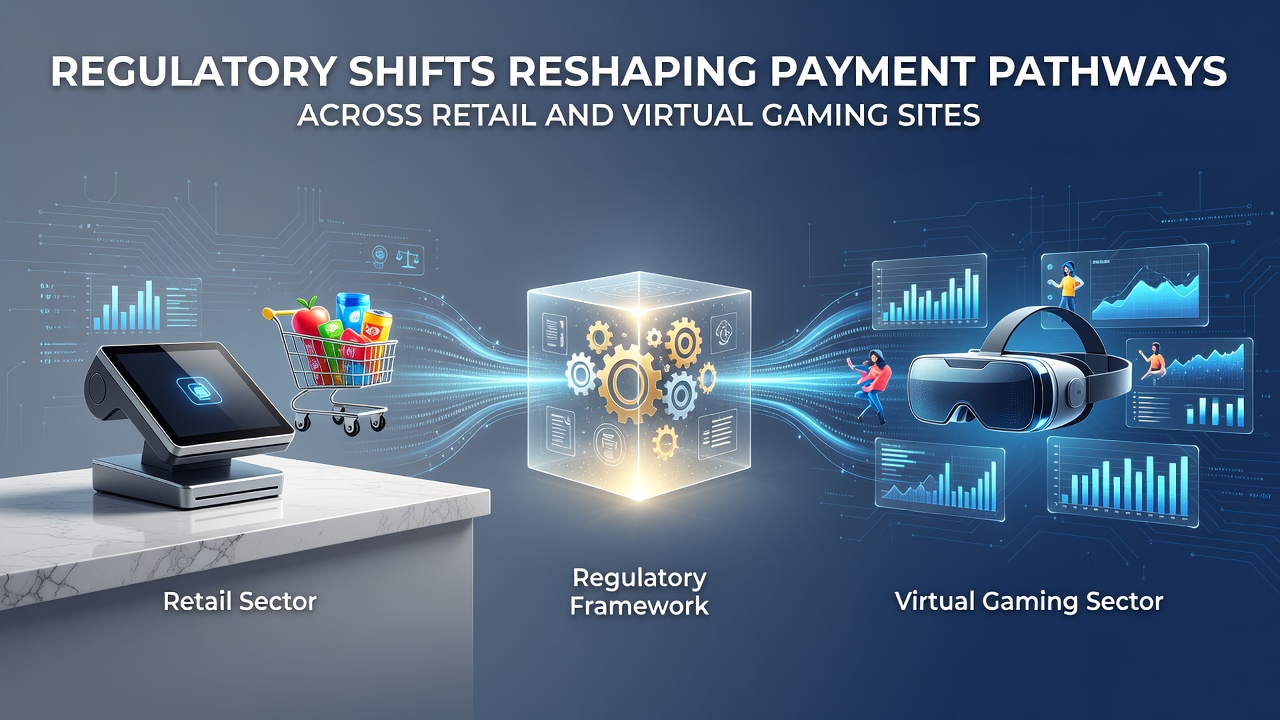
Regulatory Transformations Redefining Payment Channels in Retail and Virtual Gaming
Regulatory bodies in various regions continue to update compliance frameworks that directly influence how funds move through both physical retail venues and online gaming platforms. These adjustments often target anti-money laundering procedures, customer verification steps, and approved transaction methods, creating ripple effects for operators who must align their systems accordingly. Data from industry reports indicate that operators in multiple jurisdictions have adjusted deposit and withdrawal processes to meet updated standards, particularly where digital currencies and third-party processors enter the picture.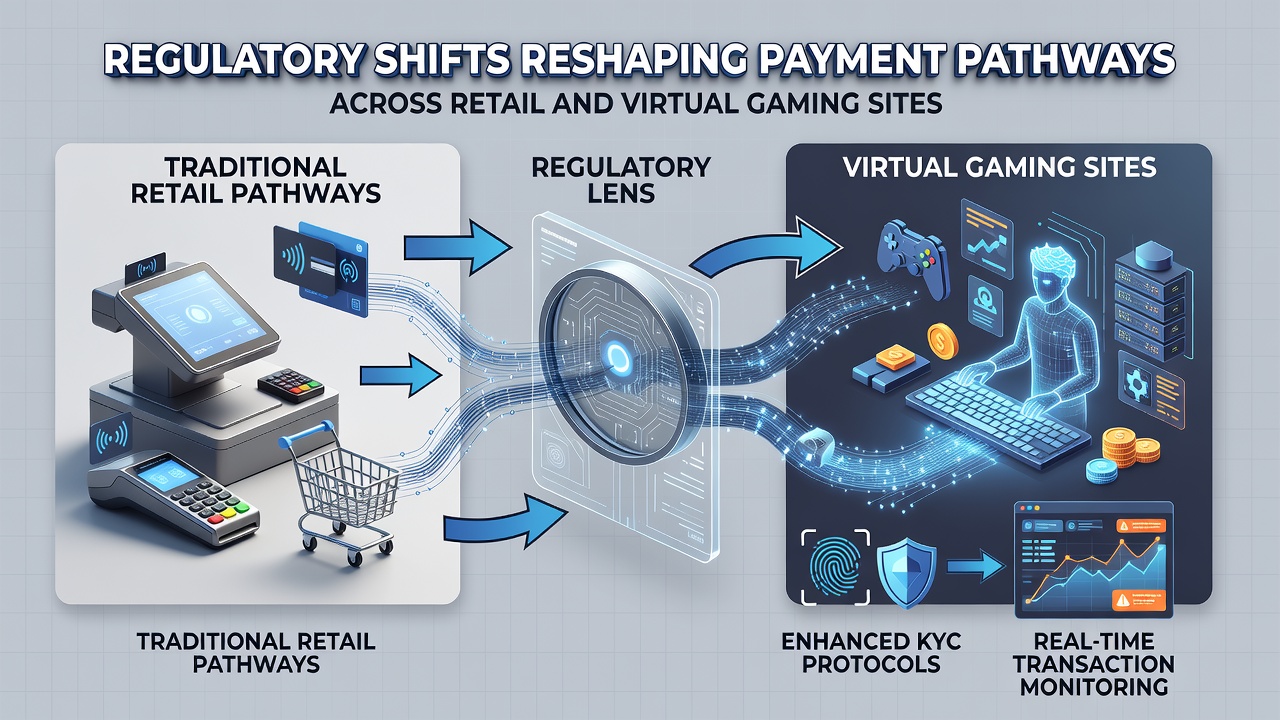
Regulatory bodies in various regions continue to update compliance frameworks that directly influence how funds move through both physical retail venues and online gaming platforms. These adjustments often target anti-money laundering procedures, customer verification steps, and approved transaction methods, creating ripple effects for operators who must align their systems accordingly. Data from industry reports indicate that operators in multiple jurisdictions have adjusted deposit and withdrawal processes to meet updated standards, particularly where digital currencies and third-party processors enter the picture.Retail Gaming Venues Adapt to Stricter Transaction Oversight
Physical casinos face requirements that alter cash handling and electronic payment acceptance at the property level. In several US states, updated rules effective around July 2026 expanded reporting thresholds for large cash transactions and introduced mandatory integration with centralized monitoring systems. Observers note that these changes compel venues to install new point-of-sale technology and train staff on enhanced record-keeping, which can slow certain operations while reducing exposure to financial crime risks. Similar patterns appear in Canadian provinces where provincial regulators have revised guidelines around player fund segregation. The Alcohol and Gaming Commission of Ontario now requires clearer separation between operational accounts and player balances, prompting many land-based facilities to upgrade their internal accounting software. This adjustment ensures that payment pathways remain auditable from the moment funds enter the premises until they exit through approved channels such as checks, wire transfers, or on-site kiosks.Virtual Gaming Platforms Face New Processor and Crypto Rules
Online gaming sites encounter parallel yet distinct pressures, especially concerning which payment service providers they may partner with and how digital assets are handled. European authorities have expanded licensing conditions that demand real-time screening of incoming transactions, leading many platforms to replace older payment gateways with systems capable of automated sanctions screening. Research indicates that these upgrades have increased processing costs for some operators, though they also provide clearer audit trails for regulators. Cryptocurrency pathways receive particular attention. Several jurisdictions now require operators to obtain specific approvals before accepting certain stablecoins or blockchain-based transfers. In Australia, state-level gaming authorities have issued guidance that ties virtual asset acceptance to enhanced due diligence on wallet addresses and source-of-funds documentation. Those who operate across borders must therefore maintain separate compliance teams for each regulatory environment, since a method permitted in one market may face restrictions elsewhere.