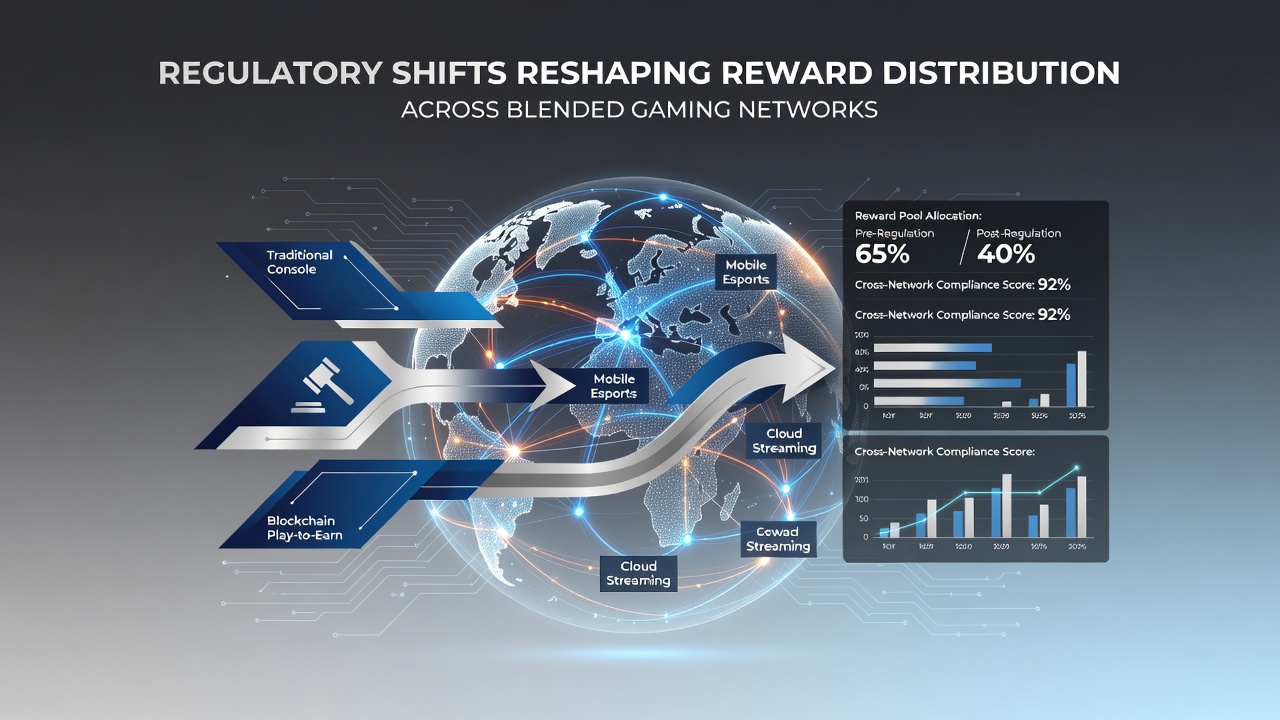
Regulatory Adjustments Redefining Reward Mechanisms in Blended Casino Networks
Regulatory frameworks across multiple jurisdictions continue to evolve and these changes directly influence how rewards circulate through networks that combine land-based casinos with their online counterparts. Jurisdictions from North America to Europe and Australia have introduced measures that address cross-platform loyalty programs, affiliate commissions, and bonus allocations, forcing operators to recalibrate distribution models that once operated with fewer constraints.
Cross-Border Compliance Pressures on Reward Pools
Operators managing blended networks now face requirements that tie reward eligibility to verified player activity across both physical venues and digital platforms. Data compiled by the American Gaming Association shows that integrated reward systems processed over 12 billion loyalty points in the previous fiscal year, yet new reporting obligations in several states require these points to carry traceable audit trails. Such rules prevent the same reward currency from being redeemed multiple times when a player transitions between environments, a practice that previously relied on fragmented tracking systems.
Similar patterns appear in Australian state regulations where gaming authorities mandate that loyalty accruals from online sessions must align with spend thresholds recorded at physical sites. These alignments reduce the risk of inflated reward liabilities while maintaining player engagement across channels.
Impact on Affiliate Commission Structures
Affiliate partners who promote blended gaming products encounter revised commission formulas that now factor in regulatory risk scores assigned to each traffic source. Research published by the University of Nevada's International Gaming Institute indicates that commissions tied to player lifetime value have declined by an average of 18 percent in markets where anti-money-laundering rules were strengthened during the first half of 2026. Networks respond by shifting emphasis toward longer-term performance metrics rather than initial deposit volumes.
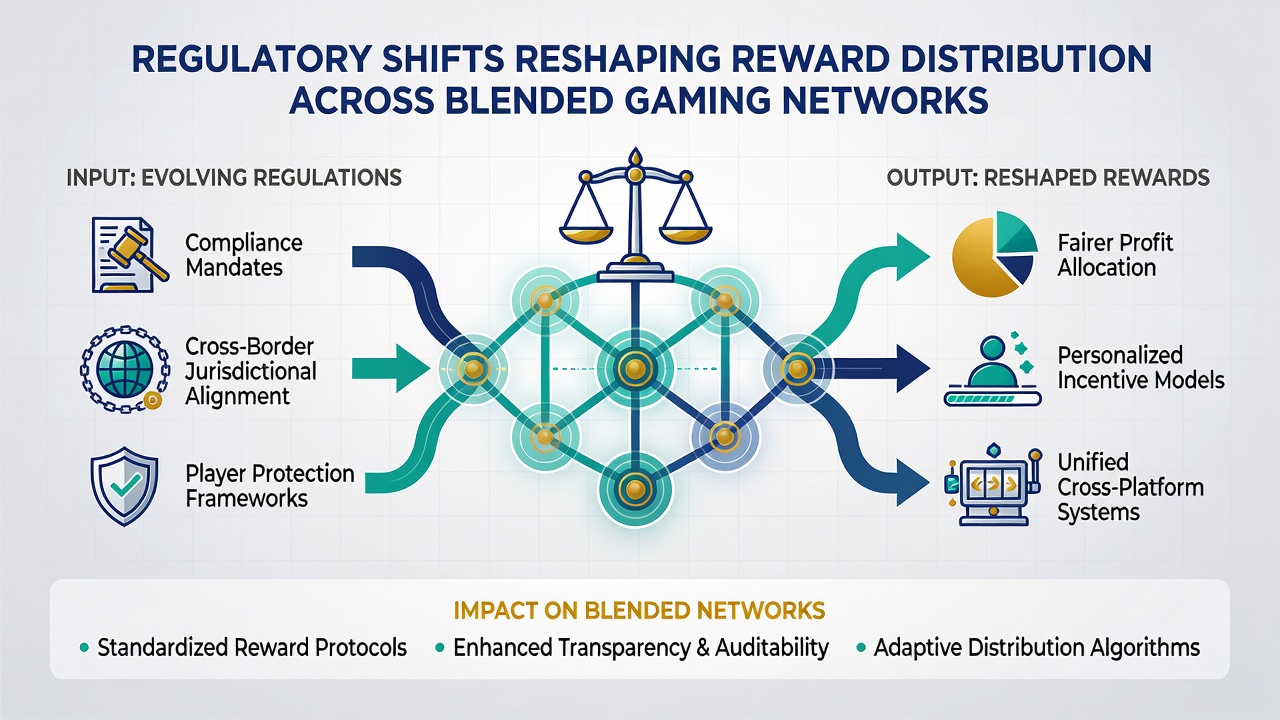
July 2026 marks the point at which several Canadian provincial regulators began enforcing unified player identification standards that link reward accounts across provincial borders. Operators must now reconcile reward balances against a central database, which limits the speed at which bonuses can be issued and claimed. The result has been a measurable slowdown in promotional campaign cycles, with some networks extending qualification periods from seven days to thirty days to accommodate verification steps.
Technical Adjustments in Reward Distribution Systems
Software providers serving blended networks have released updated modules that embed regulatory logic directly into reward engines. These modules automatically segment player cohorts according to jurisdiction-specific rules, ensuring that rewards earned in one region do not automatically transfer to accounts governed by stricter frameworks. Observers note that deployment of these modules accelerated after mid-2025 when multiple European jurisdictions synchronized their bonus transparency requirements.
Payment processors integrated into these networks also adjusted their settlement protocols. Rewards converted into cash or credits now pass through additional compliance checkpoints that verify source of funds before distribution. Figures released by the Malta Gaming Authority reveal that such checkpoints reduced disputed reward transactions by 27 percent within the first quarter of implementation.
Player Data Integration and Privacy Constraints
Blended networks rely on unified player profiles that aggregate activity from physical card swipes and online logins. New privacy regulations limit the granularity of data shared between these environments, compelling operators to develop anonymized reward tiers that still deliver value without exposing full behavioral histories. Industry reports from the European Gaming and Betting Association document a 14 percent increase in tiered reward structures that operate on aggregated rather than individual metrics.
Those who've studied these transitions observe that networks investing early in modular data architectures adapted more quickly than those relying on monolithic legacy systems. The difference manifests in faster approval times for promotional campaigns and fewer instances of reward freezes during audits.
Conclusion
Regulatory shifts continue to reshape reward distribution by imposing traceability, alignment, and verification requirements across blended gaming networks. Operators respond through technical upgrades, revised commission models, and segmented reward structures that accommodate jurisdiction-specific rules. Data from regulatory bodies and academic institutions shows measurable changes in commission rates, processing times, and player engagement patterns as these adjustments take hold. The landscape remains dynamic as additional jurisdictions introduce or refine their frameworks.