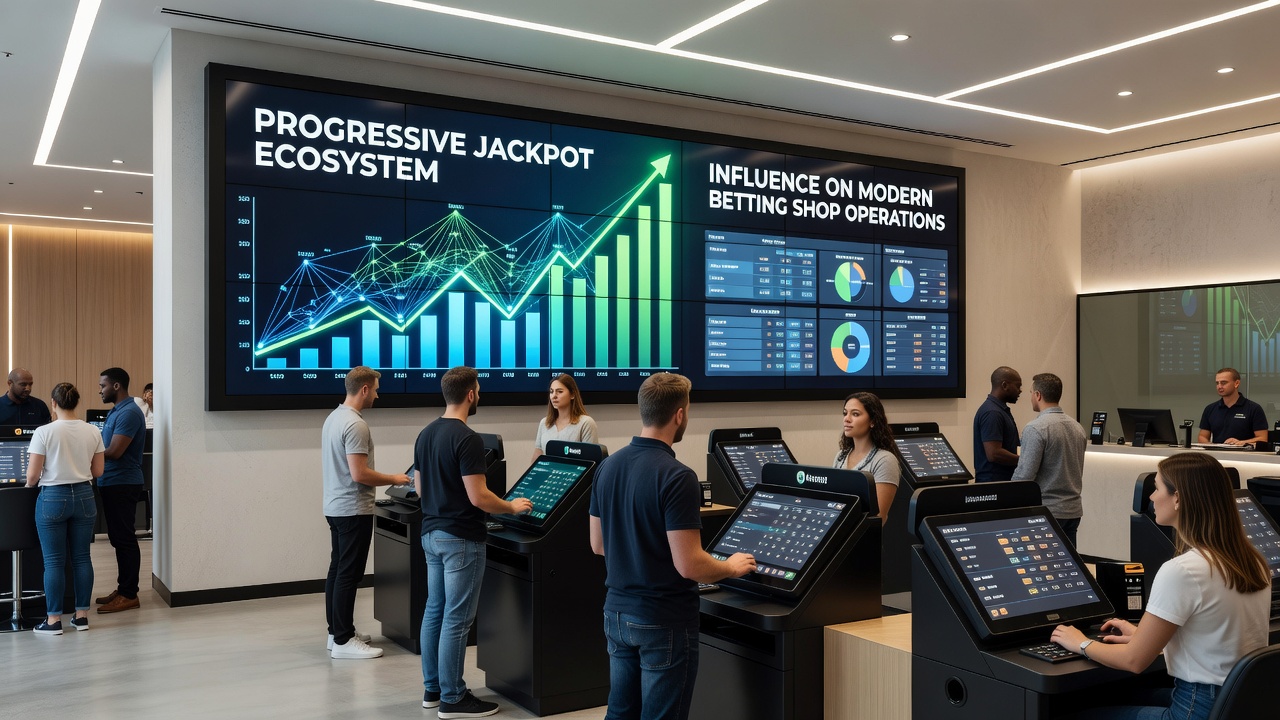
Progressive Jackpot Networks Reshaping Betting Shop Dynamics Worldwide
Progressive jackpot ecosystems connect slot machines and gaming terminals across separate betting shops and digital platforms, allowing prize pools to accumulate from wagers placed at numerous sites simultaneously. These networks operate through centralized servers that track contributions in real time, with each bet adding a small percentage to the shared total until a qualifying win triggers payout. Operators in various regions have adopted such systems to increase player engagement while managing the technical infrastructure required for seamless data exchange between locations.
Core Mechanics Behind Linked Jackpot Systems
Each participating terminal contributes a fixed portion of every wager to the growing jackpot, and this contribution flows into a common pool managed by a central controller. When the jackpot reaches predetermined thresholds or hits a random trigger, the system awards the prize to the winning terminal regardless of its physical location. Data from the Nevada Gaming Control Board shows that such linked configurations have expanded in licensed facilities since the early 2010s, with contribution rates typically ranging between 0.5 and 2 percent of each bet.
Modern implementations rely on secure communication protocols that transmit transaction data within milliseconds, ensuring accurate pool updates across dozens or even hundreds of terminals. Betting shops must maintain compatible hardware and software interfaces to join these networks, which introduces ongoing maintenance costs and requires staff training on system monitoring procedures.
Operational Adjustments in Physical Retail Environments
Betting shop operators integrate progressive jackpot terminals into daily floor layouts to maximize visibility and foot traffic. Managers often position high-visibility machines near entrances or in dedicated jackpot zones, while scheduling regular promotional displays that announce current pool sizes. These displays draw from live data feeds supplied by the network operator, creating a continuous information loop between the central system and on-site signage.
Revenue sharing agreements allocate portions of the jackpot contributions back to participating locations based on volume of play, which influences how shops allocate floor space and marketing budgets. Shops reporting higher average daily contributions receive proportionally larger shares of marketing support from network administrators, affecting decisions about machine replacement cycles and staffing levels during peak hours.
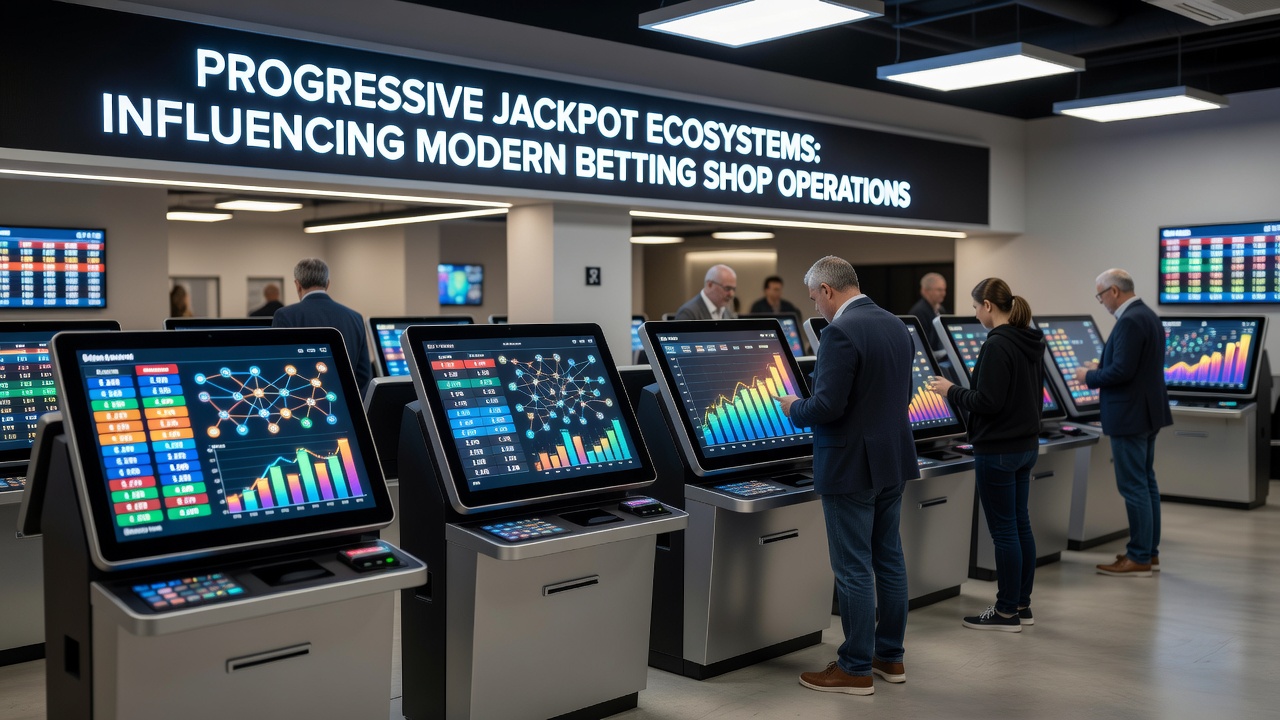
Regulatory Frameworks Across Jurisdictions
Authorities in multiple regions have established specific rules governing the operation and auditing of progressive systems. In Nevada, the Gaming Control Board mandates monthly reconciliation reports that detail contribution totals, prize payouts, and any discrepancies detected during system checks. Similar requirements appear in Canadian provincial frameworks, where gaming commissions require independent verification of seed amounts and reset values before new progressive links activate.
As of June 2026, several European regulatory bodies continue to refine cross-border data-sharing standards that affect how jackpot ecosystems transmit financial information between operators located in different member states. These updates focus on ensuring consistent tax reporting and player fund protection measures without disrupting existing network operations.
Technical Infrastructure and Supplier Partnerships
Betting shops rely on specialized gaming suppliers to provide the middleware that connects individual terminals to larger jackpot pools. These suppliers deliver certified random number generators and encrypted communication modules that prevent unauthorized access or manipulation of pool values. Maintenance contracts typically include quarterly audits and emergency response protocols for system outages that could freeze jackpot growth during high-traffic periods.
Research conducted by the University of Nevada, Las Vegas International Gaming Institute indicates that facilities using integrated progressive networks experience measurable increases in machine utilization rates compared with standalone units. The study tracked operational metrics across multiple properties and found that linked terminals remained active for longer average session durations, directly influencing daily revenue calculations for shop owners.
Player Behavior Patterns and Shop Management Responses
Observers note that visible jackpot growth encourages extended play sessions, prompting managers to adjust machine density and seating arrangements around popular terminals. Staff monitor network dashboards to identify when pools approach notable milestones, allowing targeted announcements that can influence foot traffic during slower periods. These operational tactics rely on accurate real-time data rather than anecdotal observation.
Training programs for betting shop personnel now incorporate modules on jackpot system troubleshooting and customer inquiries about prize eligibility. Such programs address common questions regarding contribution percentages and payout verification processes, reducing the need for escalation to central support teams during busy operating hours.
Conclusion
Progressive jackpot ecosystems continue to influence how betting shops configure their physical spaces, manage supplier relationships, and comply with evolving regulatory standards. The technical requirements and revenue models associated with these networks shape daily decision-making at both individual locations and corporate levels. Continued expansion of linked systems across jurisdictions will likely sustain these operational adaptations through the remainder of the decade.