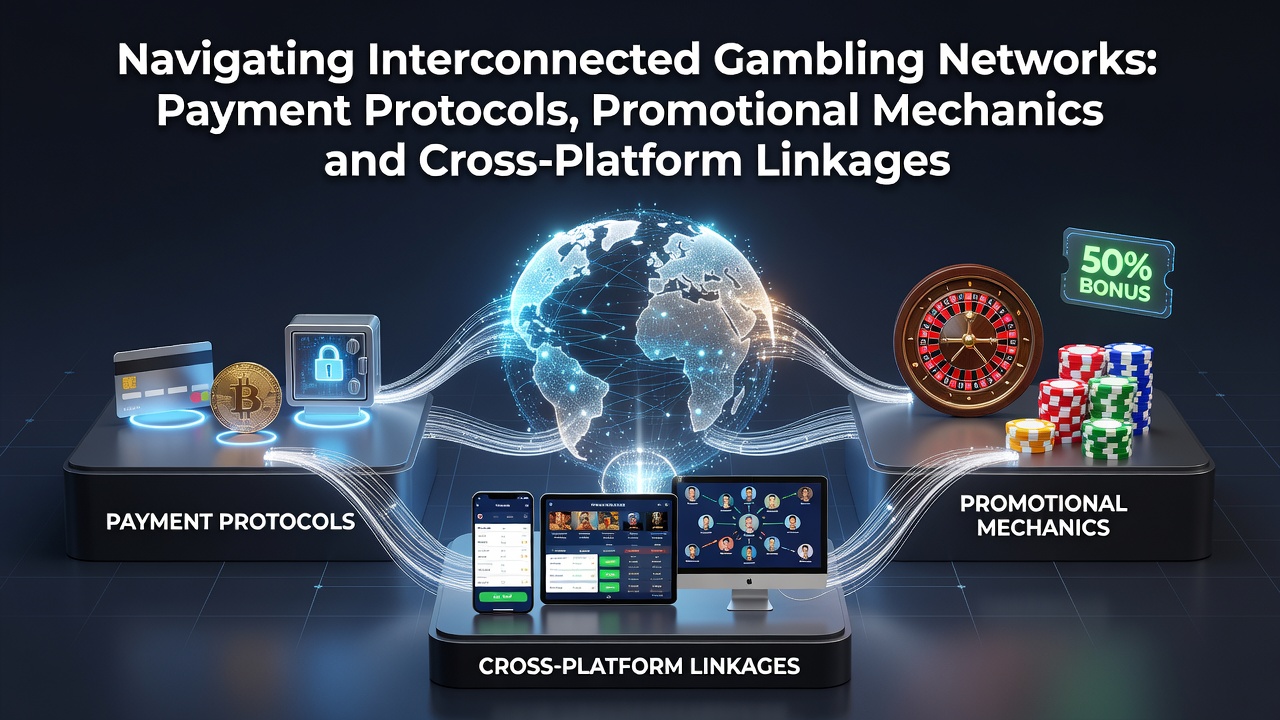
Navigating Interconnected Gambling Networks: Payment Protocols, Promotional Mechanics and Cross-Platform Linkages
Modern gambling operations rely on layered networks where payment protocols, promotional systems and cross-platform connections operate as single integrated frameworks rather than isolated tools, and this structure has grown more complex since operators began linking land-based terminals with mobile apps and desktop platforms in the early 2020s.
Payment protocols now function through standardized APIs that route transactions across multiple jurisdictions while maintaining compliance records in real time, and these systems handle deposits from bank transfers, e-wallets and digital currencies without requiring separate accounts for each platform.
Payment Protocols in Linked Environments
Operators connect their payment gateways to shared ledgers that update balances instantly across every linked site and venue, which reduces processing delays and cuts the number of reconciliation steps that once took hours to complete manually.
Data from the Nevada Gaming Control Board shows transaction volumes through these unified protocols rose steadily through 2025, with similar patterns reported in other regulated markets, and the trend points to further integration scheduled for August 2026 when new interoperability standards take effect in several North American and European jurisdictions.
Security layers include tokenization and multi-factor authentication that travel with the user rather than remaining tied to one device, so players move between platforms without re-entering verification details while regulators retain access to full audit trails.
Promotional Mechanics Across Connected Platforms
Promotional systems now draw from centralized player databases that track activity across every linked property, allowing operators to issue rewards that activate automatically whether the user is at a physical terminal or on a mobile app.
These mechanics operate through rule-based engines that adjust bonus values based on total network activity rather than single-site performance, and the approach lets operators run coordinated campaigns that reward consistent engagement across different game types and formats.
Researchers at several academic institutions studying digital gambling markets have documented how unified ledgers reduce duplicate bonus claims, while operators gain clearer visibility into which promotions drive sustained play rather than one-time sign-ups.
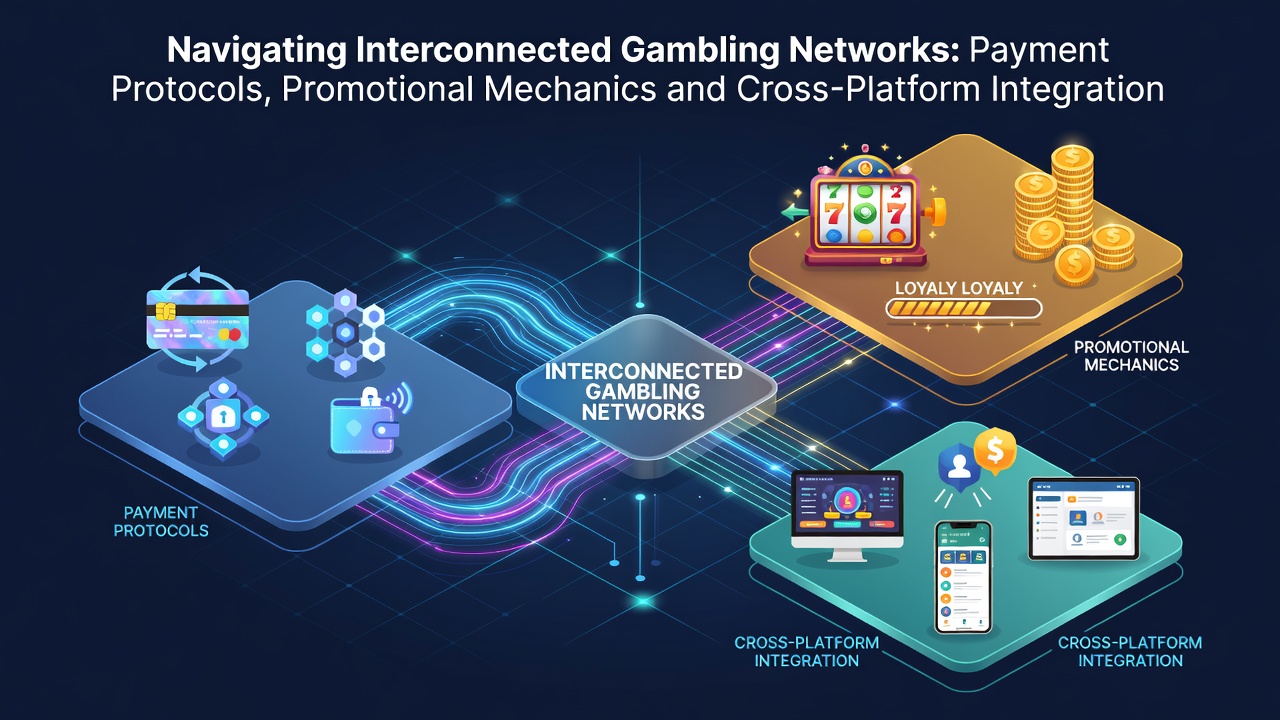
Cross-Platform Linkages and Data Flow
Linkages between platforms rely on standardized data-sharing agreements that pass player identifiers and transaction histories through encrypted channels, and these connections support everything from loyalty point transfers to coordinated responsible gambling alerts.
Industry reports compiled by the European Gaming and Betting Association indicate that operators using these linkages report lower customer acquisition costs because existing users convert more readily when promotional offers follow them across environments.
Regulators in multiple regions require these linkages to include built-in spending limit synchronization, which means a limit set on one platform applies network-wide and updates appear within seconds rather than after manual review.
Take one major operator group that expanded its network across three continents in 2025; its technical documentation shows how a single deposit now registers across all connected brands while promotional balances adjust automatically based on the user's total activity level.
Regulatory and Technical Developments Through 2026
August 2026 marks the rollout of updated technical standards in several markets that will require payment protocols to support real-time reporting to multiple oversight bodies simultaneously, and these changes build on earlier frameworks already in place in Canada and parts of Asia-Pacific.
Technical teams at software providers have already begun testing the new reporting modules, which combine payment data with promotional usage logs so regulators receive unified snapshots instead of fragmented reports from each platform.
Observers note that the same linkages also allow operators to implement geo-fencing and age verification checks that travel with the account, reducing the need for repeated checks when users switch between desktop and mobile environments or between jurisdictions with different rules.
Conclusion
Interconnected gambling networks continue to evolve through tighter integration of payment protocols, promotional engines and cross-platform connections, and the changes scheduled for August 2026 represent the next stage in that ongoing process rather than a complete overhaul of existing systems.
Those who study these developments point to measurable improvements in transaction speed, reward consistency and regulatory oversight as the primary outcomes, while operators gain operational efficiencies from managing fewer separate systems.