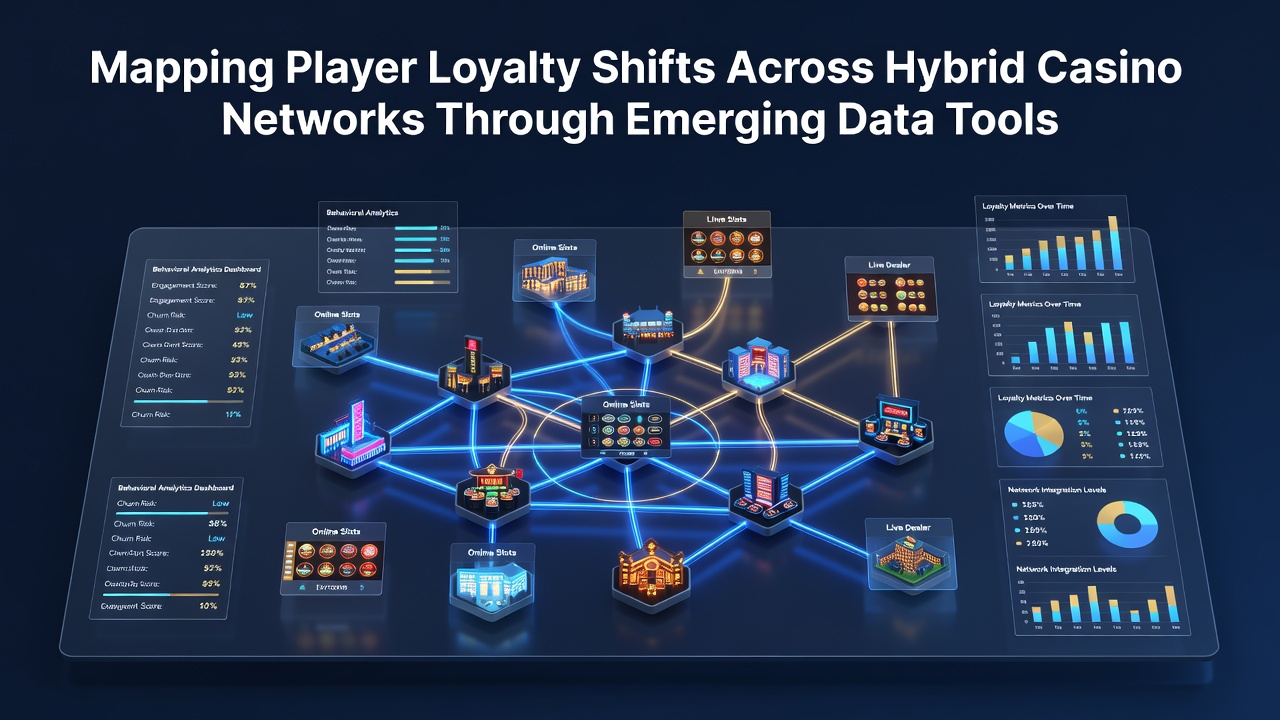
Emerging Analytics Platforms Illuminate Loyalty Shifts Within Hybrid Casino Networks
Hybrid casino networks combine physical venues with digital platforms, and emerging data tools now allow operators to track how players move between these environments while monitoring changes in their loyalty patterns. Researchers at several institutions have documented increases in cross-channel activity since 2024, with data platforms capturing everything from slot machine sessions on the floor to mobile app engagement from the same account holders.
Data Collection Methods in Blended Environments
Operators deploy integrated customer relationship management systems that pull information from loyalty cards, mobile apps, and online portals into unified databases, and these systems apply machine learning algorithms to identify segments where players reduce visits to one channel while increasing activity in another. Studies from university research groups show that geolocation data combined with transaction logs reveal patterns such as weekend land-based play shifting toward weekday online sessions among certain demographics.
Advanced tools incorporate real-time dashboards that flag when reward redemption rates drop in physical locations yet rise through digital interfaces, allowing operators to adjust offers without waiting for monthly summaries. In September 2026, several regional gaming authorities began requiring standardized reporting formats for cross-platform loyalty data, which has accelerated adoption of these analytics suites among mid-sized operators.
Identifying Shifts Through Pattern Recognition
Pattern recognition software processes millions of data points daily to map loyalty migration, and one analysis from a North American research consortium found that 28 percent of tracked players altered their primary engagement channel within a single calendar year. These tools distinguish between temporary fluctuations caused by seasonal events and sustained shifts driven by changes in game availability or reward structures across networks.
Segmentation models group players by lifetime value metrics that span both environments, while predictive components forecast future behavior based on recent transaction velocity and session duration trends. Observers note that such models help operators detect early signs of loyalty erosion when players begin skipping personalized offers that previously drove repeat visits.
Case Examples from Integrated Operations
Take one regional operator in the southwestern United States that implemented a graph database solution to connect physical table game data with online sports betting accounts, and teh system identified clusters of players who maintained high spend levels yet reduced overall frequency across both channels. Adjustments to tiered rewards based on these insights led to measurable retention improvements according to internal metrics shared with industry groups.
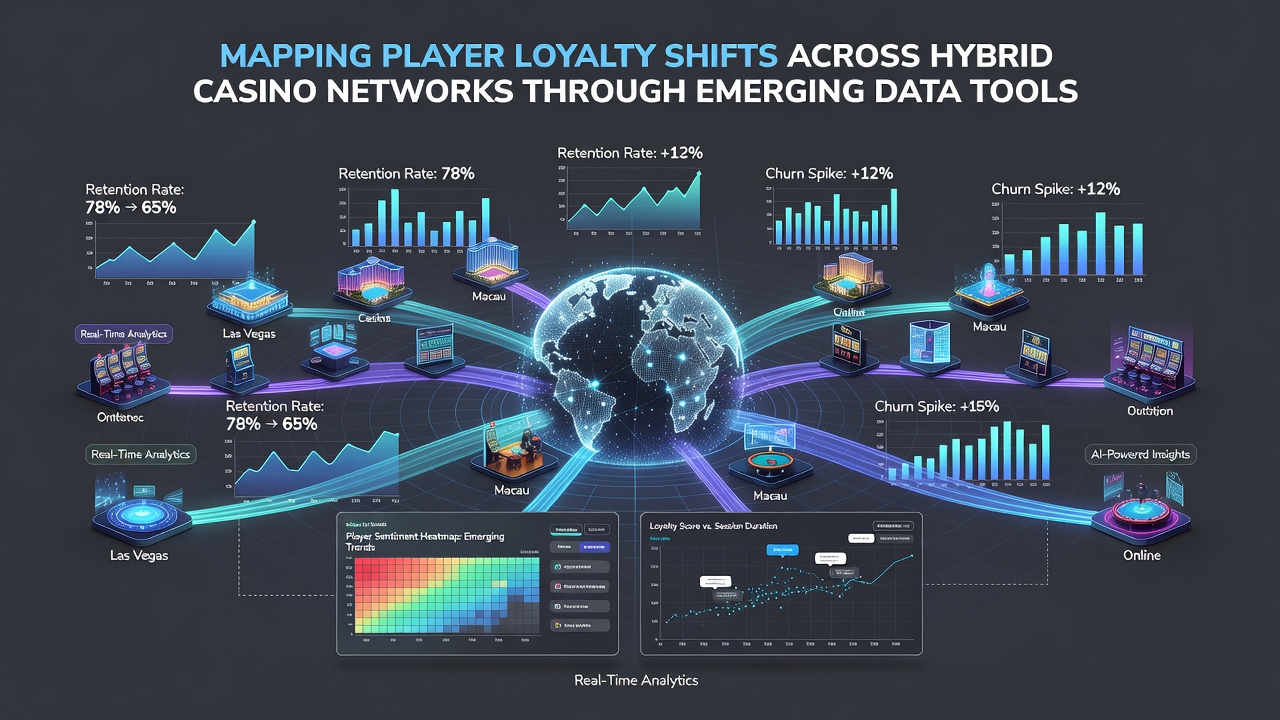
Another example comes from an Australian property group that linked hotel stay records with online poker participation through a centralized data lake, and researchers there documented how reward point accumulation across platforms influenced decisions to book return visits versus switching to competitor sites. The approach relied on natural language processing of player feedback combined with behavioral logs to refine communication timing.
Regulatory Context and Standardization Efforts
Regulatory bodies in multiple jurisdictions now examine how loyalty data flows between physical and digital operations, and the Nevada Gaming Control Board updated its data retention guidelines in 2025 to address hybrid tracking requirements. Similar updates appeared in Canadian provincial frameworks, where emphasis fell on consent mechanisms that allow players to opt out of cross-channel profiling while still accessing basic rewards.
Industry associations have published voluntary standards for data interoperability that encourage consistent tagging of loyalty events, and these guidelines help smaller operators integrate tools without building custom infrastructure from scratch. Data from the American Gaming Association indicates rising investment in analytics personnel as networks expand their hybrid footprints.
Future Developments in Loyalty Mapping
Newer platforms incorporate blockchain elements for immutable reward ledgers that span venues and websites, while artificial intelligence components continue to refine anomaly detection for unusual loyalty behaviors. Those who've studied these systems note that integration challenges remain around legacy point-of-sale equipment in older properties, yet cloud-based middleware solutions are closing that gap rapidly.
Conclusion
Mapping tools provide operators with clearer pictures of how player preferences evolve across hybrid networks, and continued refinement of these platforms supports more precise responses to shifting engagement patterns. As reporting requirements tighten and data sources multiply, the ability to visualize loyalty transitions in real time becomes a standard operational feature rather than an emerging capability.