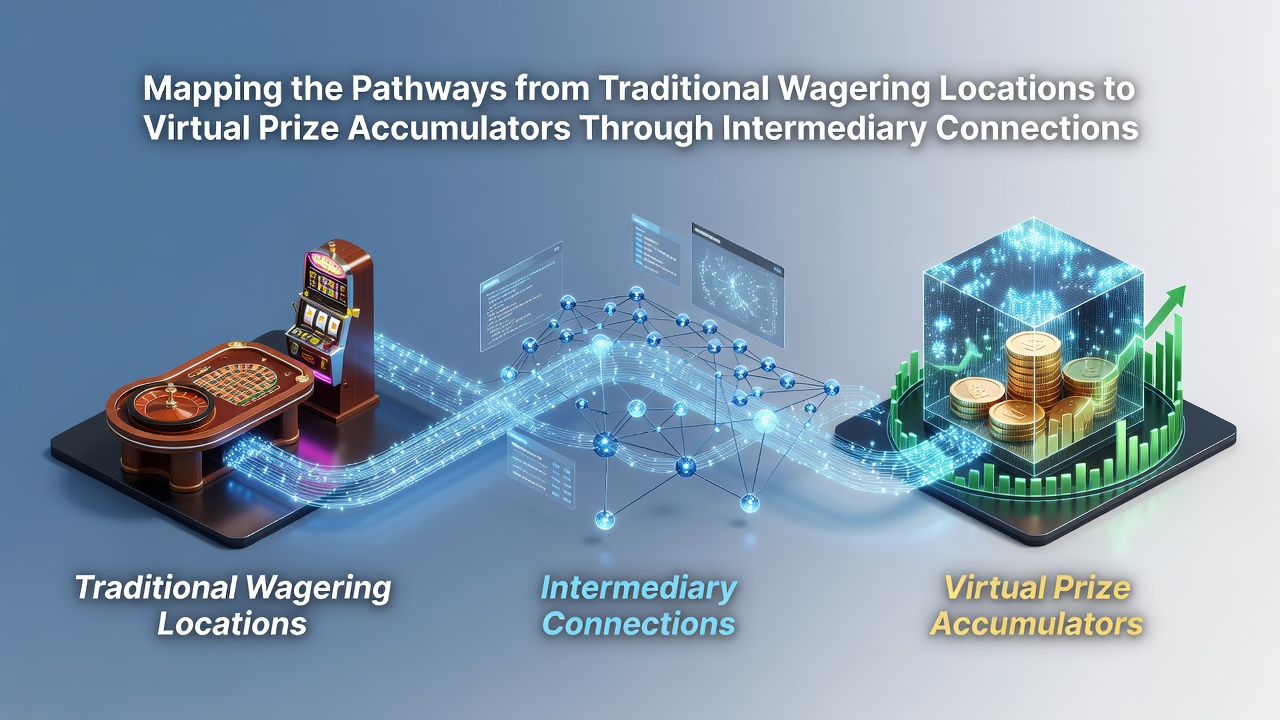
Connecting Physical Betting Venues to Digital Jackpot Systems via Network Intermediaries
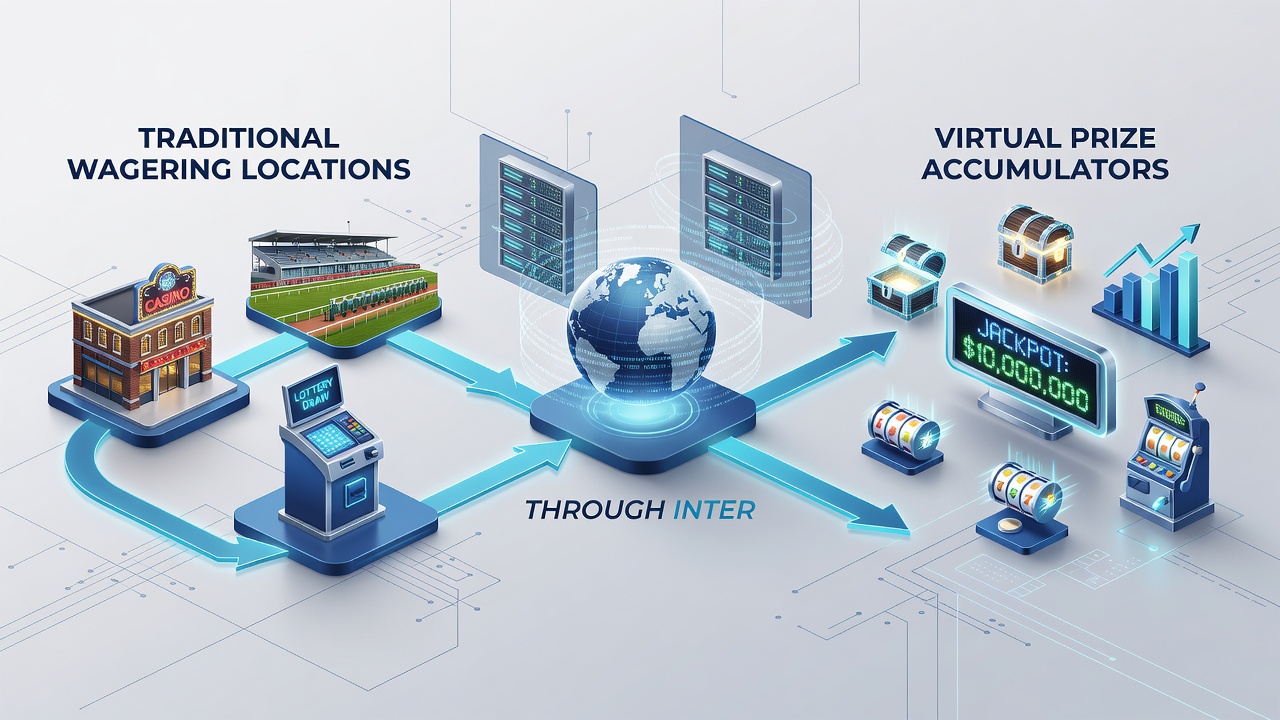
Traditional wagering locations such as betting shops and land-based casinos have long served as entry points for participants seeking structured gambling experiences, yet the pathways leading from these physical sites to virtual prize accumulators often involve multiple intermediary connections that facilitate the transition. These intermediaries include affiliate networks, payment processors, and digital platforms that aggregate data and route transactions between environments, creating seamless flows where wagers placed in one setting contribute to prize pools accessible in another. Observers note that this mapping reveals layered infrastructure rather than direct leaps from brick-and-mortar to online systems.
Industry data shows that many participants begin their engagement at physical venues before encountering digital options through promotional links or loyalty programs managed by third-party connectors. These connectors handle tracking, compliance checks, and reward distributions, ensuring that activity at a traditional location feeds into virtual accumulators without requiring users to navigate separate ecosystems independently. Research indicates such intermediaries reduce friction while maintaining regulatory separation between jurisdictions.
Historical Development of These Pathways
Early connections emerged in the late 1990s when land-based operators began experimenting with digital extensions to capture broader audiences, and intermediaries appeared as necessary bridges for handling cross-border payments and player tracking. By the mid-2000s, affiliate marketing structures had formalized many of these routes, allowing physical betting shops to promote online prize systems through shared networks that logged referrals and distributed commissions based on accumulated activity. Data from regulatory filings reveals steady growth in these intermediary roles as online platforms scaled their jackpot mechanisms.
Those who have studied industry patterns point out that the expansion accelerated once secure digital wallets and aggregated loyalty systems gained traction, turning isolated physical visits into entry points for larger virtual prize ecosystems. Intermediaries evolved from simple referral services into complex data routers that synchronize player histories across physical and digital domains, enabling prize accumulators to draw from diverse sources without direct operator overlap.
Key Components of Intermediary Networks
Affiliate platforms form the core of many pathways by embedding tracking codes that link physical venue promotions to virtual accounts, while payment intermediaries manage the movement of funds between traditional cash-based transactions and digital prize ledgers. These networks often incorporate compliance layers that verify eligibility before routing activity toward accumulators, and figures from sector analyses demonstrate how such components handle millions of connections daily. Gaming associations report that integration with loyalty programs at physical sites further strengthens these links by converting in-person play into digital credits.
Another layer involves data aggregators that compile behavioral patterns from betting shops and feed them into algorithms powering virtual prize systems, creating predictive pathways that anticipate user transitions. Researchers have documented cases where these aggregators operate under multi-jurisdictional agreements to maintain separation while enabling prize pool contributions across formats.
Regulatory Influences on Pathway Mapping
Regulatory frameworks shape how intermediaries operate by imposing licensing requirements on connectors that bridge physical and virtual environments, and updates in various regions continue to refine these rules. In July 2026, the Nevada Gaming Control Board introduced enhanced reporting standards for digital intermediaries handling cross-format prize flows, requiring detailed logs of activity originating from traditional venues. Similar measures in other jurisdictions, including oversight from bodies like the Australian Communications and Media Authority, emphasize transparency in how networks route contributions to virtual accumulators.
Those examining compliance trends observe that these regulations encourage intermediaries to adopt standardized protocols for data sharing, which in turn clarifies the mapping of pathways without disrupting established connections. Trade group reports highlight how operators adapt by embedding regulatory checkpoints directly into intermediary software, ensuring physical-to-virtual transitions meet evolving standards across regions.
Technological Enablers in the Transition Process
API integrations and cloud-based tracking systems allow intermediaries to map real-time connections between betting shop terminals and virtual prize platforms, synchronizing data on wagers and rewards instantaneously. Mobile applications often serve as the visible interface for these pathways, presenting users at physical locations with options to link their activity to online accumulators through intermediary portals. Evidence from technology adoption studies shows that blockchain elements in some networks add verifiable layers to these connections, particularly for prize distribution.
Payment processors act as critical nodes by converting cash or card transactions from traditional sites into digital equivalents that feed virtual systems, and industry organizations note the role of encryption standards in securing these handoffs. One documented example involves regional operators partnering with technology providers to create unified dashboards that display both physical and virtual prize progress through shared intermediary channels.
Conclusion
The pathways from traditional wagering locations to virtual prize accumulators rely on intermediary connections that handle tracking, compliance, and data flow in structured ways. Regulatory developments, such as those noted in July 2026, continue to influence how these networks function, while technological tools maintain the practical links. Mapping these routes provides clarity on how activity in physical settings contributes to broader digital prize mechanisms through established intermediary frameworks, supported by reports from sources like the Nevada Gaming Control Board and the American Gaming Association.