Bridging Rewards: Payment Processors Connecting Physical Shops and Digital Casino Platforms
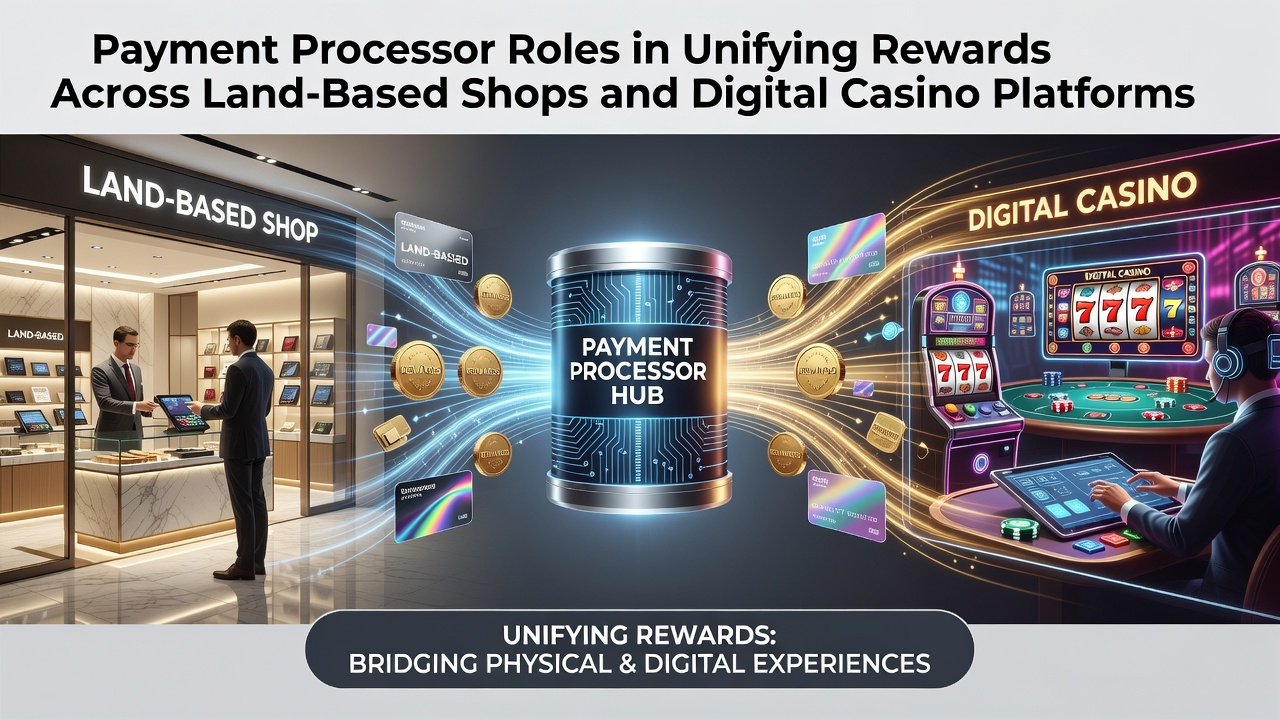
Payment processors handle the technical backbone that links loyalty systems across land-based betting shops and digital casino platforms, allowing users to earn and redeem points without separate accounts for each environment. Data from industry reports shows these processors manage transaction flows, verify identities, and sync reward balances in real time, which reduces duplication and supports seamless movement between physical and virtual play.
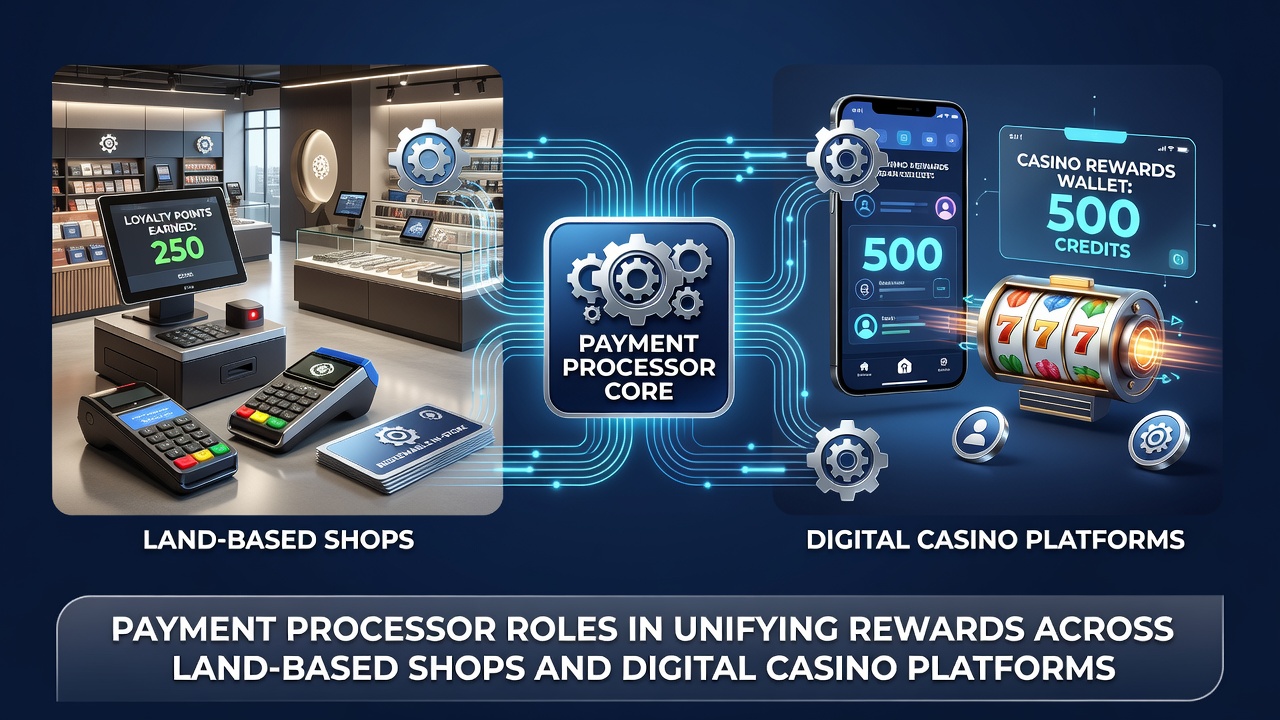
Processors achieve this unification through application programming interfaces that connect point-of-sale terminals in shops with backend servers at online operators. When a player makes a deposit or completes a wager at a land-based location, the processor records the activity and updates a shared loyalty ledger. The same happens during online sessions, where digital wallets feed into the same system, creating a single profile that tracks activity across both channels.
Technical Integration Methods
Modern processors rely on tokenization and encrypted data streams to move reward information securely between systems. They use standardized protocols that comply with varying regional standards, allowing operators in different jurisdictions to participate without rebuilding their entire infrastructure. Studies indicate that these integrations often cut administrative costs by merging what used to be parallel databases into one unified record.
Take the example of a processor working with a chain of betting shops in the American Southwest and its partnered online platform. The system automatically converts shop-based wagers into digital reward credits within seconds, so players see updated balances whether they check at a kiosk or through a mobile app. Observers note that such setups became more common after regulatory updates in several states during 2025.
Regulatory Landscape and 2026 Developments
In August 2026 the Nevada Gaming Control Board introduced updated guidelines on cross-channel reward tracking that require processors to maintain audit trails for all loyalty transactions. These rules emphasize transparency in how points convert between physical and digital environments, and operators must demonstrate that reward values remain consistent regardless of where play occurs.
Similar requirements appear in other regions. The Malta Gaming Authority has aligned its reporting standards with emerging international norms, while Canadian provincial regulators continue to refine their own frameworks for unified player accounts. Processors that already support multi-jurisdictional compliance gain an advantage because they can expand without major re-engineering.
Case Examples from Industry Operators
One large operator group implemented a processor solution that merged its land-based loyalty cards with its online casino accounts in early 2026. The change allowed players to use the same points balance whether they visited a physical venue or logged into the digital platform, and the processor handled currency conversion for international users without manual intervention.
Researchers at academic institutions studying gaming technology have documented similar projects in Australia and parts of Europe. Their findings reveal that unified reward systems increase repeat engagement because players no longer need to manage multiple balances or track separate promotions. Processors achieve this by embedding loyalty logic directly into the payment flow rather than treating rewards as a separate module.
Security and Compliance Features
Security remains central to these integrations. Processors apply multi-factor authentication and real-time fraud detection to every transaction that touches reward accounts. They also generate compliance reports that satisfy anti-money laundering requirements across jurisdictions, which becomes essential when points move between physical shops and online environments.
Because reward points often carry monetary value, processors treat them with the same safeguards used for cash deposits and withdrawals. Encryption standards and regular third-party audits help maintain trust, while automated alerts flag unusual patterns that could indicate misuse.
Future Outlook for Unified Systems
Industry analysts expect continued growth in processor-driven unification as more jurisdictions permit cross-channel operations. The technology already supports features such as instant point redemption at both physical and digital locations, and upcoming updates may include dynamic reward offers based on combined play history.
Conclusion
Payment processors serve as the operational link that makes unified rewards possible between land-based shops and digital casino platforms. Through secure APIs, compliance tools, and real-time data handling they enable operators to maintain consistent loyalty experiences across environments. As regulatory expectations evolve in 2026 and beyond, these processors continue to adapt their systems to meet new standards while supporting the practical needs of players and operators alike.