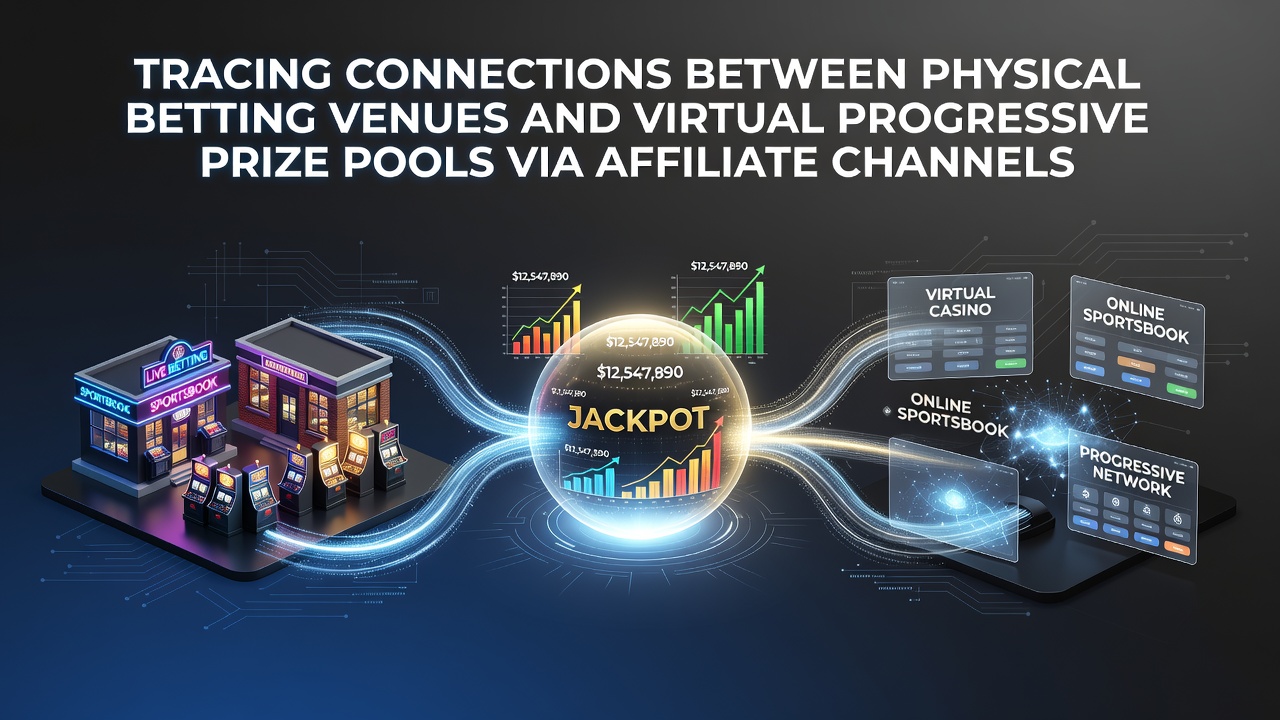
Bridging Realms: Affiliate Networks Linking Physical Betting Sites to Virtual Jackpot Systems
Affiliate networks have established structured pathways that connect physical betting venues with virtual progressive prize pools, allowing operators to pool contributions from both land-based and online environments into shared jackpot systems. Data from industry reports indicate that these connections emerged as operators sought to expand player engagement across multiple formats, with affiliates serving as intermediaries that track player activity and direct traffic between channels. Research from the Canadian Gaming Association shows that integrated reward structures grew steadily through 2025, setting the stage for expanded implementations by August 2026.
Mechanics of Cross-Channel Connections
Physical betting venues collect contributions to progressive pools through terminal systems that feed into centralized databases, while virtual platforms add increments from each wager placed online. Affiliates operate tracking software that assigns unique identifiers to players, enabling seamless movement of accumulated value when individuals transition between venue types. Those who have studied these systems note that the technology relies on secure APIs to synchronize prize levels in real time, ensuring that a jackpot built partly from in-person bets can be claimed through digital interfaces.
Operators in regions such as Nevada and parts of Europe have implemented these linkages to comply with regulatory requirements for transparent fund allocation. Figures from the Nevada Gaming Control Board reveal that progressive contributions from licensed properties increased by 12 percent year-over-year as of mid-2025, with affiliate-mediated online channels accounting for a growing share of the total.
Role of Affiliate Channels in Data Flow
Affiliates function as data conduits that record player behavior at physical locations and match it with online activity, often through loyalty card integrations or mobile applications. This process allows progressive pools to receive incremental funding from both sources without requiring direct ownership ties between the venues and the digital platforms. Observers note that the model reduces fragmentation by consolidating contributions into unified prize structures managed by third-party network providers.
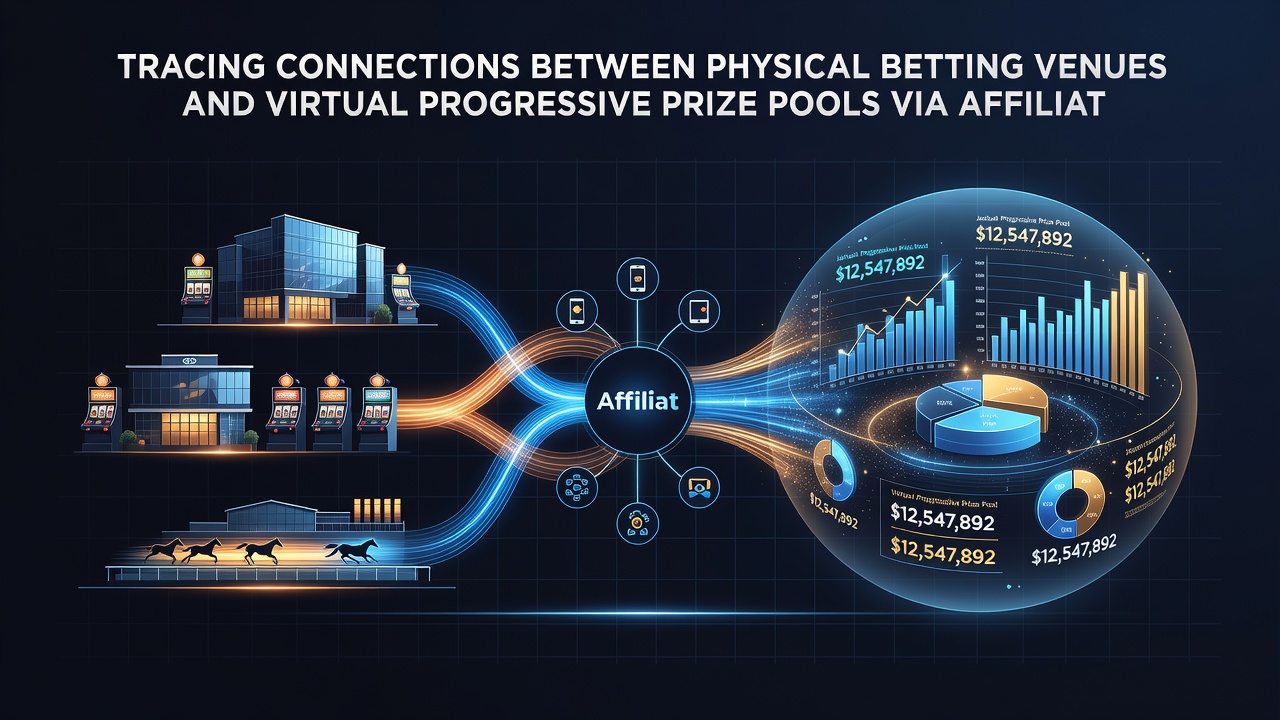
Studies conducted by the Australian Gambling Research Centre have documented how these networks handle compliance across jurisdictions, particularly when physical venues operate under state licenses while virtual pools fall under separate oversight. The research highlights protocols that isolate player funds and prevent commingling, with audit trails generated automatically through affiliate software. By August 2026, updates to these protocols are expected to incorporate enhanced encryption standards following recommendations from international gaming associations.
Regulatory and Technical Developments
Government agencies in multiple regions have begun examining how affiliate channels affect prize pool integrity and player protection measures. In Canada, provincial regulators have required operators to submit detailed reports on cross-channel contribution flows, while similar frameworks in Australia mandate independent verification of jackpot calculations. These requirements ensure that progressive pools maintain accurate balances regardless of the originating venue type.
Technical standards for data exchange have advanced through collaboration between software providers and industry groups, resulting in standardized formats that support both legacy terminal systems at physical sites and modern online platforms. Researchers at the University of Nevada, Las Vegas documented in a 2025 report that latency issues in prize synchronization dropped significantly after affiliates adopted improved routing protocols.
Examples of Operational Integration
One operator group in teh United States expanded its affiliate partnerships in 2025 to link multiple casino properties with a single online progressive network, resulting in measurable growth in total pool contributions. Similar arrangements in European markets have utilized affiliate platforms to route players from betting shops to digital interfaces while preserving the integrity of shared jackpots. Data indicates that such integrations often rely on white-label solutions that allow smaller venues to participate without developing custom infrastructure.
What's notable is the way these systems handle player identification across environments, using hashed identifiers to maintain privacy while enabling accurate attribution of contributions. Industry organizations have published guidelines that emphasize auditability, helping regulators verify that virtual progressive prize pools reflect genuine activity from both physical and digital sources.
Conclusion
teh connections traced through affiliate channels demonstrate how physical betting venues and virtual progressive prize pools operate within interconnected frameworks supported by tracking technology and regulatory oversight. As implementations continue to evolve through 2026, the mechanisms for data synchronization and fund allocation remain central to maintaining system reliability across jurisdictions.