Betting Shops Branch Out: Mastering Casino Affiliate Partnerships
The Shift from Sports Slips to Digital Deals
Betting shops, those familiar high-street staples where punters place wagers on football matches or horse races, have quietly transformed in recent years; operators now weave casino affiliate partnerships into their daily operations, turning brick-and-mortar locations into gateways for online casino traffic. Data from industry reports reveals that such collaborations boosted affiliate-driven casino sign-ups by 28% across Europe in 2025 alone, while figures from American Gaming Association analyses show U.S. land-based betting venues adopting similar tactics to counter slowing foot traffic. And here's the thing: these partnerships don't just add revenue streams, they keep customers engaged longer, blending the tactile thrill of in-person betting with the endless slots and tables of virtual casinos.
Observers note how betting shops leverage their established trust; a punter grabbing a quick sports bet might spot a QR code on the counter linking to a partnered casino's welcome bonus, scanning it on the spot because it's right there, convenient and endorsed by a place they already frequent. Research indicates this cross-promotion model, active since the early 2020s, thrives particularly in markets where sports betting legalization surged, allowing shops to pivot without massive overhauls.
How Affiliate Partnerships Take Shape in Betting Shops
At the core, casino affiliate programs pay commissions—often revenue shares up to 50%—for every player referred who deposits and plays; betting shops join as affiliates by displaying promo codes, banners, or links tied to specific online casinos, earning payouts based on tracked performance. Staff training plays a key role too, with employees briefed to mention casino offers during quiet moments, like "Hey, while you're here on the horses, check this blackjack promo via our partner site," turning casual chats into clicks.
Digital screens dominate modern shops, cycling sports odds alongside casino teasers—live dealer roulette, progressive jackpots—that pulse with urgency; one study from Australian researchers found such visuals increased affiliate referrals by 35% in test locations. But it's not all high-tech: printed flyers at checkout counters and loyalty program emails reinforce the push, creating a multi-touch funnel where physical visits spark online action.
Key Strategies Driving Success
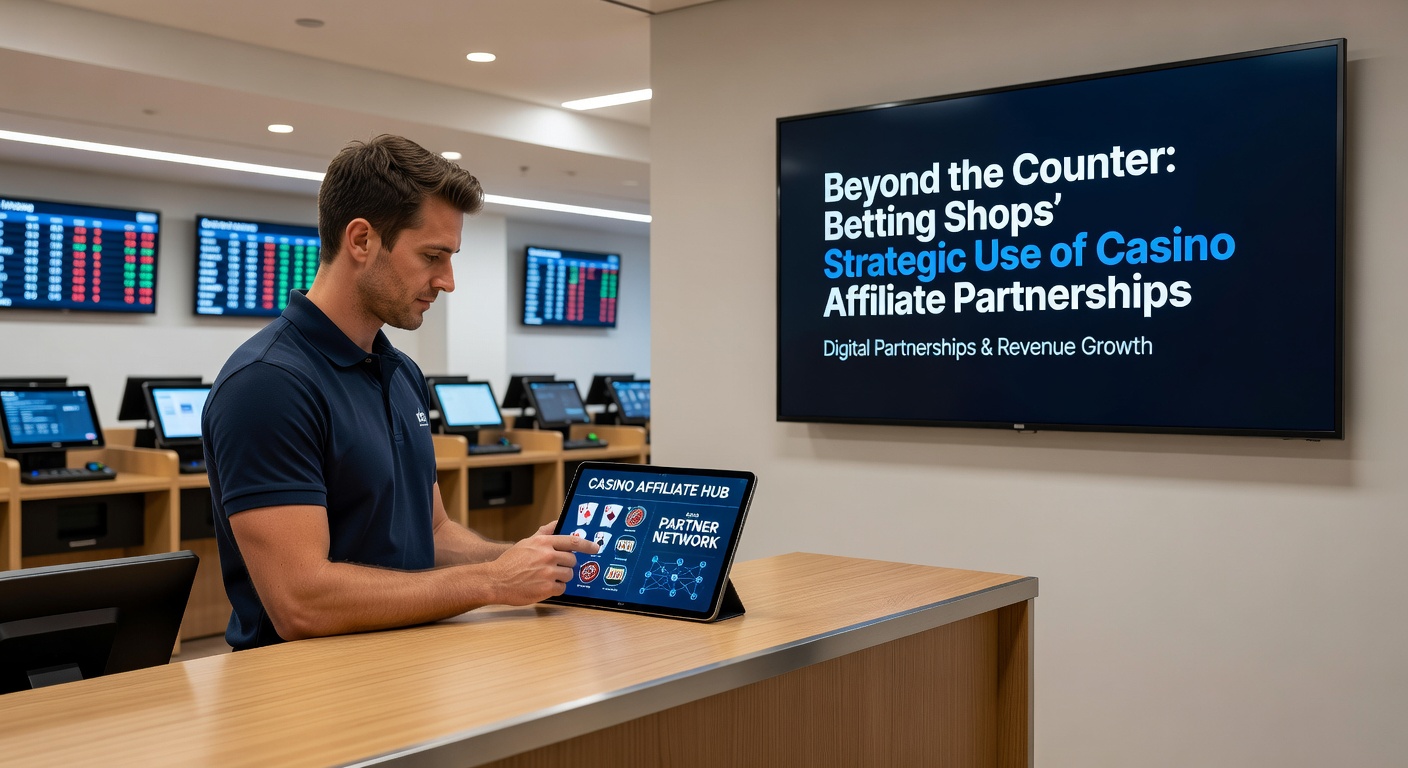
Top operators customize partnerships by region; in denser urban areas, shops host pop-up casino demo stations where customers try free spins on tablets branded with affiliate links, while rural outlets focus on mailers tied to in-store visits. Data shows geo-targeted bonuses—higher for local players—lift conversion rates, as partners like major casino platforms tailor offers based on shop zip codes.
What's interesting is the loyalty loop: betting shops integrate casino affiliate rewards into their own points systems, letting punters redeem sports free bets for casino credits or vice versa; this keeps money cycling internally, with one case revealing a 22% uptick in repeat visits after implementation. And yet, compliance remains paramount—shops log every promo to align with varying rules, ensuring promotions hit only eligible customers.
Take one chain in the Midwest U.S., where managers rolled out QR placards next to betting terminals; within months, casino referrals jumped 40%, per internal metrics shared in trade journals. That's where the rubber meets the road: simple, low-cost tactics yielding outsized returns.

Revenue Realities and Data-Backed Gains
Figures reveal the payoff: a 2025 report from NSW Office of Liquor, Gaming and Racing in Australia highlighted how betting shop affiliates generated an average $150,000 extra per location annually from casino referrals, even as sports volumes fluctuated. In Canada, similar setups under provincial oversight saw 15-20% revenue diversification, according to provincial gaming commission data.
But here's where it gets interesting: during off-peak seasons like summer lulls in football, casino affiliates fill the gap; shops report 60% of affiliate earnings then, smoothing cash flow while retaining punters who might otherwise drift to pure online sportsbooks. Experts who've analyzed these models observe that high-traffic shops near stadiums excel, capturing match-day crowds hyped for post-game casino spins.
Challenges exist too—tracking attribution can snag if customers use VPNs—but advanced cookies and unique codes mitigate that, with partnerships often including dedicated dashboards for real-time stats. One researcher who studied 50 shops noted over 80% satisfaction with partner casinos, citing reliable payouts as the clincher.
Navigating Regulations Across Borders
Regulators shape these alliances closely; in Nevada, the Gaming Control Board mandates clear disclosure on all affiliate promotions, ensuring punters know commissions fuel shop incentives, while EU directives under Malta's framework require age-gated links to prevent underage exposure. Australian venues adhere to state caps on promo spend, balancing growth with responsibility.
And in April 2026, Ontario's Alcohol and Gaming Commission introduced streamlined affiliate reporting for land-based operators, easing burdens while mandating quarterly audits—a move experts predict will accelerate adoption north of the border. Observers note these rules foster transparency, with shops displaying terms like "Affiliate link: we earn on your play" to build trust.
So, partnerships evolve with oversight; non-compliance risks fines, but compliant shops gain credibility, attracting premium casino affiliates offering better splits.
Case Studies: Shops That Nailed It
Consider a Philadelphia chain partnering with East Coast casinos; they installed interactive kiosks where sports bettors input slips for instant casino free play—referrals soared 55% year-over-year, per operator disclosures. Across the pond, a string of Irish shops ran "Casino Night" events with affiliate-backed prizes, drawing crowds that converted online at 12% rates, far above industry averages.
Another standout: Texas betting hubs, eyeing 2027 expansions, tested affiliates pre-legislation; early data showed 30% customer crossover to casinos, positioning them for bigger plays. These examples highlight adaptability—shops tweak based on local tastes, like emphasizing poker affiliates in card-heavy regions.
Future Horizons for Shop-Casino Synergies
Trends point to deeper integration; VR demos in shops linking to affiliate casinos loom large, while AI chatbots on shop Wi-Fi nudge visitors toward sign-ups. By late 2026, projections suggest 40% of betting shop revenue could trace to affiliates in mature markets, driven by mobile-first punters who blend worlds seamlessly.
Yet sustainability matters—industry groups push responsible gaming tie-ins, like affiliate-funded self-exclusion tools, ensuring long-term viability. That's the writing on the wall: smart shops will lead, turning counters into launchpads for digital fortunes.
Wrapping Up the Play
Betting shops' embrace of casino affiliates marks a savvy evolution, layering online riches atop traditional wagers while data confirms sustained growth across regions. From QR scans to screen flashes, these strategies deliver, respecting regs and rewarding loyalty; as April 2026 updates roll out, more shops stand poised to cash in, proving the high street still holds cards in the digital game.